I am excited for innovations in AI. The day where AI assists in target delineation helping radiation oncologists identify metastases that might otherwise be missed, and in interpreting scans to reduce variability and improve response assessment is fast approaching.
Recent data shows that AI-driven planning can reduce treatment times by up to 30% and improve accuracy in identifying small or complex lesions.
Transforming patient care
Gamma Knife has been shown to improve both survival rates and quality of life. For patients whose cancer hasn’t responded to standard radiation, it offers a powerful and effective options for further treatment.
“In particular, for around 20% of patients, radiosurgery may not fully control the cancer. In my experience, Gamma Knife can offer an effective re-radiation options, delivering precise treatment when it matters most.”
“I continue to develop Gamma Knife reirradiation for primary brain tumours, such as meningioma, who failed prior surgery and radiotherapy to control the disease. I have also been giving a boost dose of radiation for resistant tumours in combination with conventional radiation in order to combine the benefits of both modalities. The possibilities to improve tumour control and patient outcomes is exciting and the Gamma Knife provides me the tool I need to treat my patients to the best of my abilities,” said Dr Sahgal.
Collaboration and multidisciplinary expertise
The success of Gamma Knife is underpinned by multidisciplinary collaboration, bringing together radiation oncologists, neurosurgeons, radiation therapists and medical physicists to advance radiosurgery.
Icon’s investment in Gamma Knife will also see continued professional development, with ongoing training for clinicians, and referrer engagement to ensure best practice, fast adoption and best possible outcomes.
The future: AI, automation, and personalised therapy
Looking ahead, the biggest innovations in radiotherapy will come from AI and automation, reshaping treatment planning and delivery. Dr Sahgal envisions a future where non-invasive stereotactic approaches become standard for most cranial lesions, and therapies are selected at the molecular level for maximum benefit.
“Today, treatment is far more thoughtful and precise than ever before. By understanding tumours at the molecular level, we can make smarter choices – the challenge ahead is figuring out the best sequence of therapies.”
AI-driven analytics are expected to further personalise treatment, predicting which patients will benefit most from Gamma Knife versus other modalities.
For clinicians entering the field, Dr Sahgal urges a mindset of continuous improvement.
“I ask clinicians to question yourself – are you doing the best possible for the patient? Reach out, collaborate and consider if there’s a better option, because sometimes patients often don’t know what’s available, or how to ask.”
Investing in the future of radiosurgery
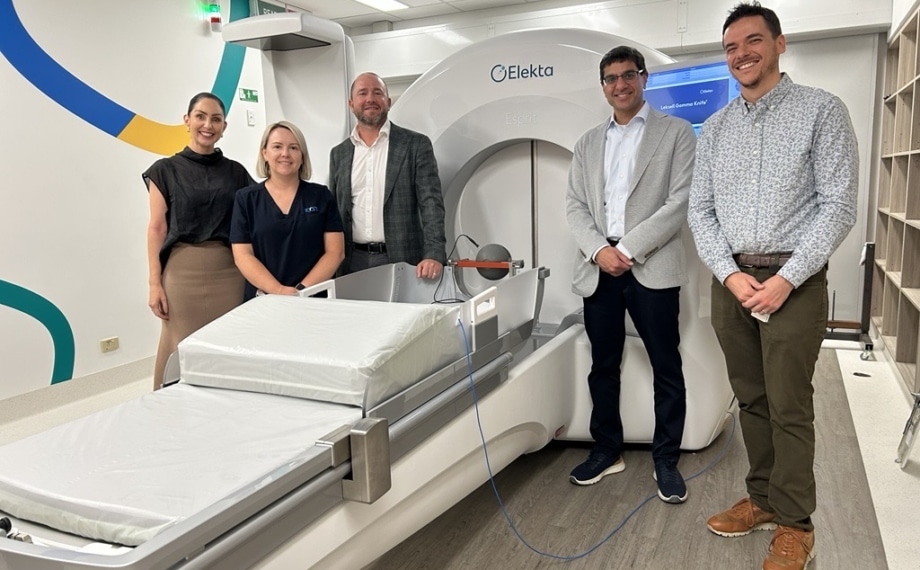
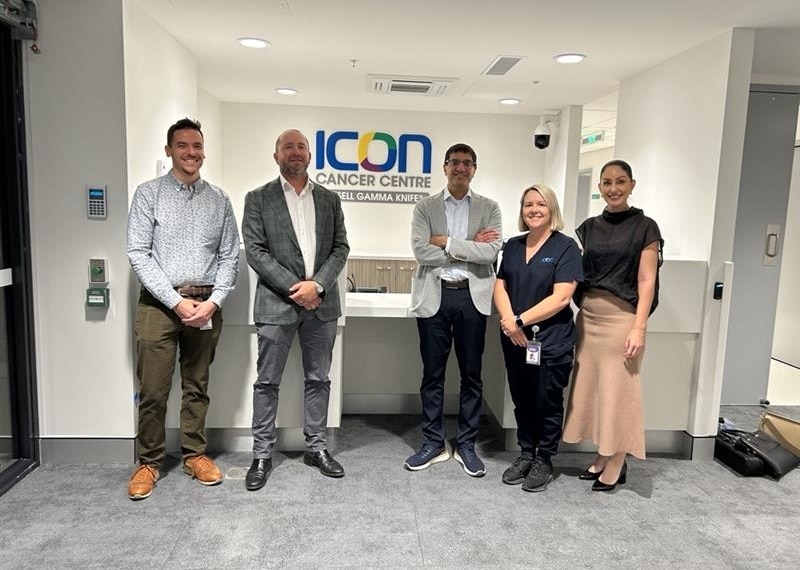
Icon’s recent announcements mark a significant investment in Gamma Knife technology, with new centres opening in Brisbane, Queensland and Richmond, Victoria. These facilities represent the first private Gamma Knife centres in their respective states, complementing public services and ensuring more patients can receive advanced, non-invasive treatments closer to home. This expansion is helping meet Australia’s growing need for specialised cancer care, reducing wait times and improving outcomes for patients nationwide.
“It’s great to see organisations like Icon invest in this technology. Providing the latest treatments close to home opens the doors for patients to receive more specialised care. This tech has a very specific role in benign tumours as well as metastases and the more people who can access it, the better.”
Through ongoing innovation, expanded access through organisations like Icon, and a culture of collaboration, radiosurgery is becoming safer, more precise, and more focused on what matters most – the patient.
Learn more about Gamma Knife at Icon