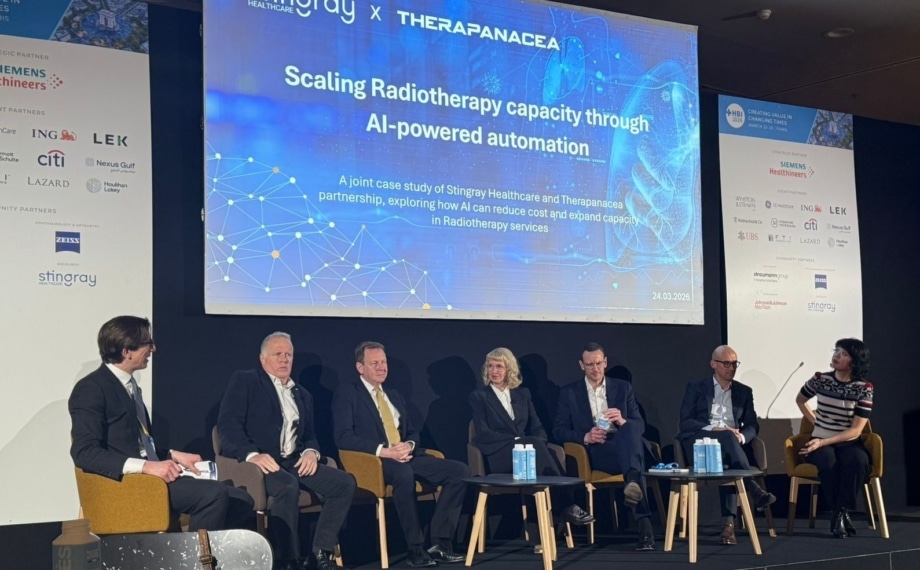
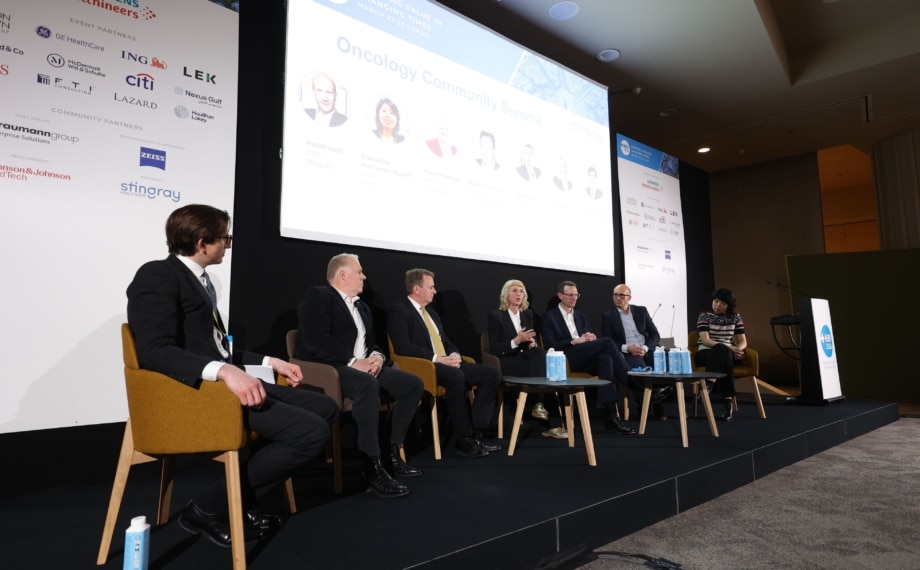
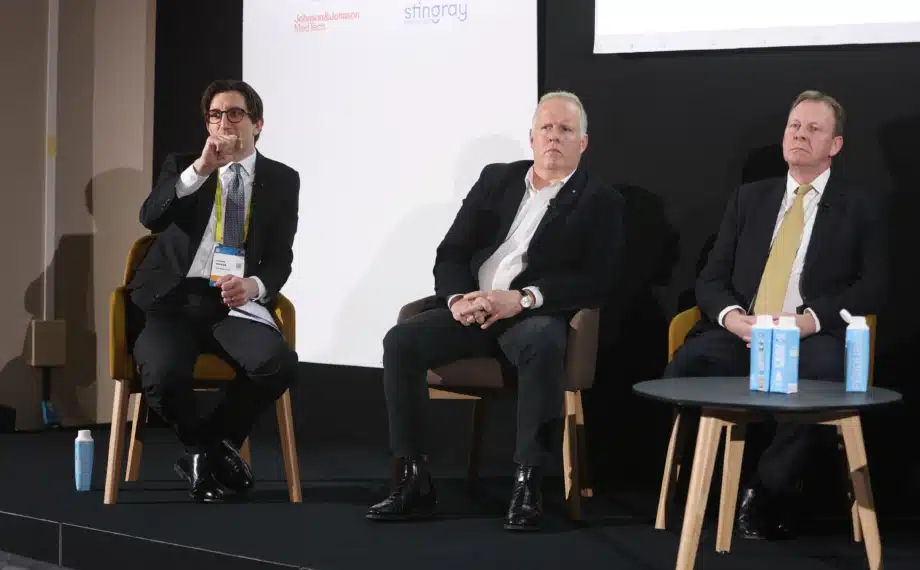
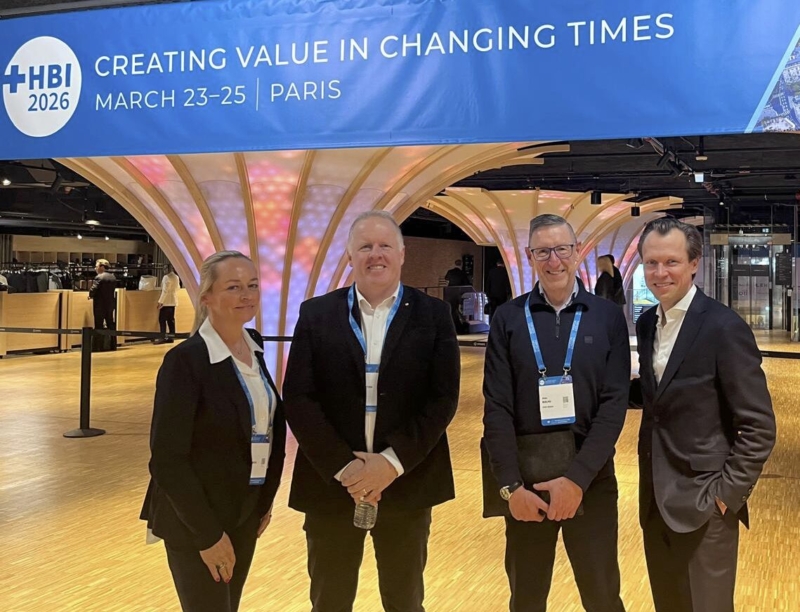
Mark represented Icon Group (Icon) on an expert panel moderated by Thibault Poirier (Rothschild & Co), alongside leaders from Stingray Healthcare, GenesisCare UK, Varian, TheraPanacea and Fremman Capital. The session brought together providers, policymakers, investors and innovators to examine how health systems can sustainably scale cancer care within public reimbursement environments.
Clinician-led innovation and global scale highlighted at HBI Paris
Icon Group CEO, Mark Middleton OAM joined global healthcare leaders at the Healthcare Business International (HBI) Conference 2026 in Paris, contributing to a high profile Oncology Community Summit focused on accelerating access to radiotherapy and improving cancer outcomes worldwide.
Repositioning radiotherapy as essential cancer infrastructure
Drawing on his background as a radiation therapist, Mark highlighted that radiotherapy is one of the most scalable and cost-effective cancer treatments yet remains under recognised in policy and investment decisions. He reinforced the need to reposition radiotherapy as foundational cancer infrastructure, rather than a niche specialty, if health systems are to meet growing demand.
Mainstreaming radiotherapy, Mark noted, requires coordinated action across clinicians, policymakers and industry to ensure it is embedded within national cancer strategies and supported by appropriate digital and workforce investment.
Delivering sustainable growth under fixed reimbursement models
The panel explored how providers can deliver growth and improved access within fixed tariff environments. Mark outlined how scale, standardisation and automation enable sustainable growth by improving productivity rather than simply increasing volumes.
Through shared services, centralised planning and reduced variability across sites, networked delivery models help protect quality of care while lowering unit costs, ensuring financial sustainability for both providers and health systems.
AI, automation and workforce sustainability
Workforce constraints emerged as an ongoing challenge for radiotherapy and healthcare globally. Mark emphasised that while machines are important, workforce capacity and specialist expertise are the true limiting factors, making AI enabled workflows essential.
He shared Icon’s experience with AI driven automation, including its global partnerships with Varian and Radformation. He shared the successful rollout of Radformation’s AutoContour and adaptive chart checking tools which have already delivered measurable efficiency gains. These technologies allow clinicians to spend more time on complex decision making and patient care, while reducing the burden of repetitive tasks.
A global, networked approach to care delivery
Mark also highlighted Icon’s global, networked workforce model, which supports faster access to care without compromising quality. Through a ‘follow the sun’ approach, Icon’s remote radiotherapy planning is shared across international teams, enabling treatment plans to be progressed continuously across time zones.
This model accelerates time to treatment, increases capacity beyond a standard workday and supports a more sustainable workload for clinicians — demonstrating how global scale can directly improve patient access and outcomes.
Partnerships that accelerate safe innovation
The importance of long term, data enabled partnerships was a key theme of the discussion. Mark spoke to Icon’s long-standing partnership with Varian, where clinicians and Icon’s medical professionals actively contribute to the design and development of next generation radiotherapy technologies.
By codeveloping solutions with technology partners, providers can accelerate safe, scalable adoption of innovation while ensuring new platforms are clinically relevant and ready for real world use.
Scaling access through policy certainty and investment
The panel also discussed the role of predictable policy and reimbursement settings in unlocking private investment in cancer infrastructure. Mark highlighted that regulatory certainty and recognition of digital and AI platforms as core healthcare infrastructure are critical to expanding capacity and improving access, particularly in regional and underserved markets.
“Clinician led services, supported by innovation and technology, will always be the answer,” Mark said.
“When combined with global scale, they help reduce inequity in access to lifesaving radiotherapy and ensure high quality care can be delivered closer to home, regardless of geography.”
Icon’s European growth ambitions were reflected at the event, with CEO – Europe, Aldo Rolfo and Icon’s Germany partners, Evidia also in attendance as Icon continues to apply its proven global operating model across the UK and Germany, supporting health systems to expand capacity and deliver world‑class cancer care.
About Icon Group
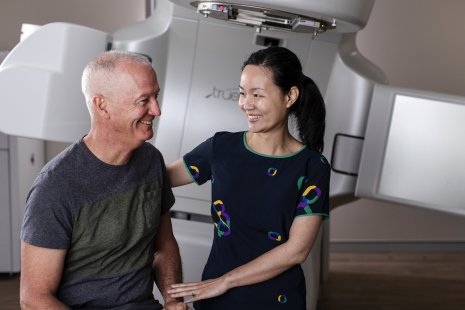
Icon Group is Australia’s largest dedicated cancer care provider and has expanded globally into New Zealand, Asia and the United Kingdom.
Our people
People from across Icon Group share their stories of success, career progression and being iconic.
A career with Icon
At Icon, you’ll help change lives, every single day. In return for your passion, dedication and agility, we offer a workplace where you can.
Updates
Read the latest news and updates across Icon Group.