CAR T-cell therapy is redefining what’s possible for some patients with blood cancers, but access, safety and system readiness remain critical challenges in Australia. In this article, Dr Karthik Nath, Icon Cancer Centre (Australia’s) Deputy Director of Cellular Therapy and clinical haematologist at Icon Cancer Centre South Brisbane, explains how CAR T-cell therapy works, where it’s delivering impact today, and why clinical trials are central to expanding access.
Cellular Therapy and CAR T-Cells: Advancements, limitations and the path forward in Australia
By Dr Karthik Nath, Icon Cancer Centre (Australia) Deputy Director of Cellular Therapy
What was once considered experimental is now delivering transformative outcomes for patients, made possible through a perfect execution of advances in clinical expertise, research and novel therapeutic design – redefining what is possible in the treatment of rare blood cancers.
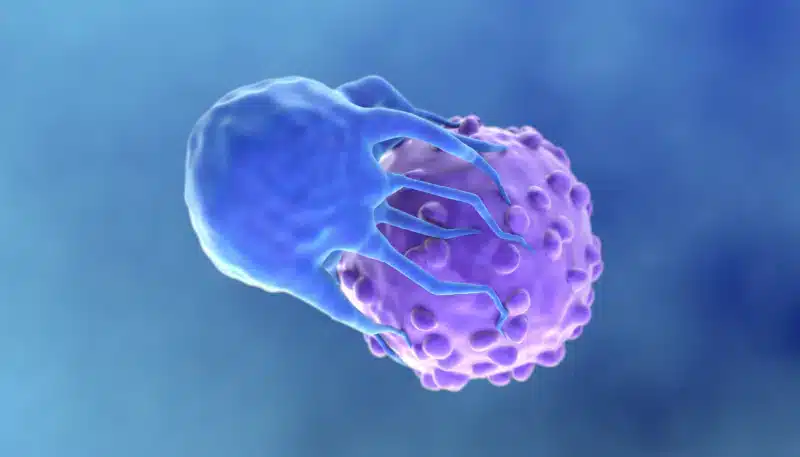
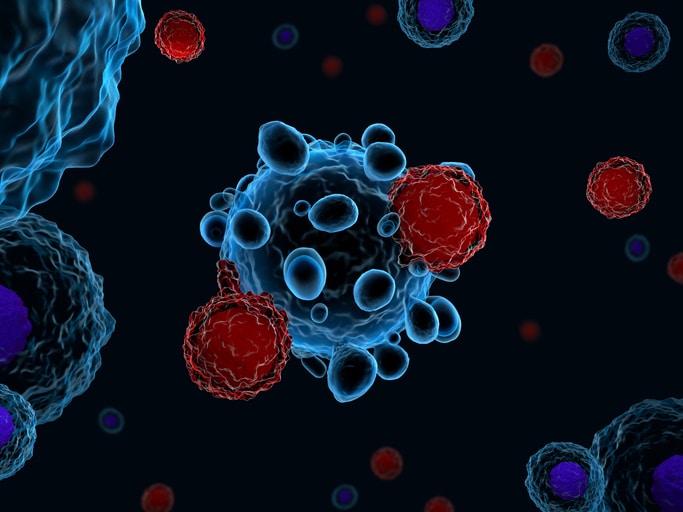
Chimeric Antigen Receptor (CAR) T-cell therapy represents one of the most important advances in blood cancers over the past decade. This revolutionary highly personalised form of cellular immunotherapy uses a patient’s own immune cells and genetically modifies them to target and attack the cancer with remarkable precision.
Clinical momentum
For patients with specific types of relapsed or refractory lymphoma, acute lymphoblastic leukaemia (ALL) and multiple myeloma, CAR T-cells have demonstrated response rates that were previously unattainable with conventional treatments.
As clinical experience and research investment grows, the focus has shifted from proof of concept to optimisation, specifically refining patient selection, improving toxicity management, and integrating CAR T-cell therapy into existing treatment pathways.
How CAR T-cell therapy works
For eligible patients, treatment begins with T-cell collection, a process by which immune cells (T-cells) are collected from the patient’s blood. These immune cells are then sent to a lab to have a new gene added into them which helps to recognise and kill cancer cells. Once T-cells have this new gene, they’re called CAR T-cells. It can take a few weeks to make CAR T-cells. Sometimes patients may require other treatments to keep their cancer under control during CAR T-cell manufacturing.