Shaping the future of stereotactic radiotherapy

Icon Writers / 29 May, 2026

This weekend, world-leading stereotactic experts are joining together for the flagship Congress of the International Stereotactic Radiosurgery Society (ISRS) to discuss the latest evidence, technology and treatment advances and clinical insights shaping the future of cancer care.  

Ahead of the conference, Icon Group Deputy Chief Medical Officer and Radiation Oncologist, A/Prof Matthew Foote, details how Icon is continuing to deliver the best care possible through innovation and clinical expertise enabled by world-leading technology, and shares his thoughts on the future of radiotherapy. 

Shaping the future of stereotactic radiotherapy: precision, access and what comes next 

By A/Prof Matthew Foote, Icon Group Deputy Chief Medical Officer and Radiation Oncologist 

Over the past decade, highly precise radiotherapy treatments such as stereotactic radiotherapy (SRT) and stereotactic radiosurgery (SRS) have advanced significantly. Improvements in technology and clinical practice have helped make these treatments more precise, supporting better experiences and outcomes for patients and reinforcing the role of advanced radiotherapy in modern cancer care. 

Two developments have driven this change: rapid advances in technology and a growing body of clinical evidence showing that, highly targeted, high-dose radiation can achieve excellent tumour control while limiting side effects and impact on surrounding healthy tissue. 

A decade of clinical momentum and recognition

Historically, cancer treatment for complex brain and neurological conditions in Australia has not always kept pace with patient needs, particularly when compared with other parts of the world.

As Australia’s population ages and cancer cases rise, this gap could become increasingly prominent without investment in clinical infrastructure that recognises the importance of timely, patient-centred care.  

Progress in treatment capabilities have improved outcomes, with more people living longer and a stronger focus on disease management and quality of life.  

At the same time, greater recognition of conditions like oligometastatic disease (where the cancer has spread to other parts of the body) has expanded the role of highly targeted radiotherapy.

This also applies to oligoprogressive disease (where the cancer is stable, but a small number of spots start to grow, requiring additional targeted treatment). 

Because of this, stereotactic radiotherapy has become a key component of multidisciplinary oncology practice. 

Gold standard capability and care

At Icon, we’re combining our internationally recognised network of clinicians with the most advanced cancer treatment technology available and global integrated systems, to provide our patients with the latest cancer care in a timely manner.   

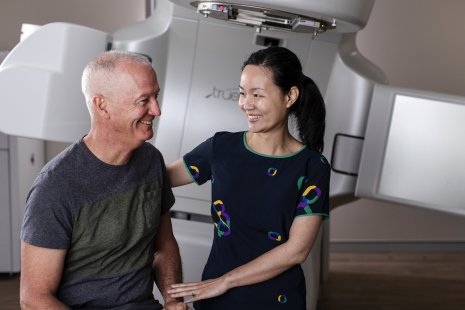
This commitment is reflected in Icon’s rollout of advanced radiotherapy techniques with 100% stereotactic capability across the network, ensuring patients can access these highly targeted, non-invasive treatment options, closer to home.  

Our approach to SRT is built on more than technology alone. Over more than a decade, we have developed a globally connected network of clinicians, systems and treatment platforms that enable the consistent delivery of SRT, SRS and stereotactic ablative radiotherapy (SABR) at scale. 

This includes investment in advanced linac-based stereotactic treatments, supported by advanced imaging (eg Auto Beam Hold, 4D-CBCT), surface-guided radiotherapy (SGRT) and highly conformal delivery techniques such as VMAT with dedicated cranial solutions such HyperArc.  

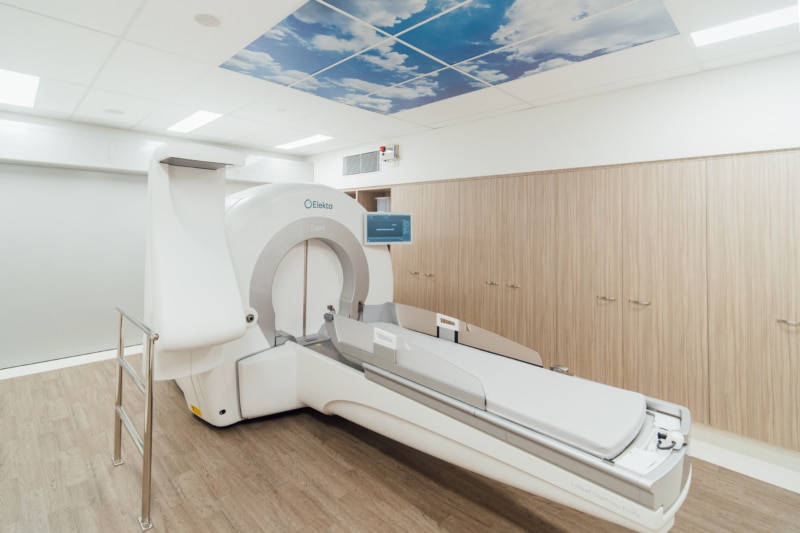
We are also investing in new, game-changing technologies such as the CyberKnife and Gamma Knife systems in Australia. Together, these capabilities enable the delivery of high-dose, highly targeted treatment with precision and confidence. 

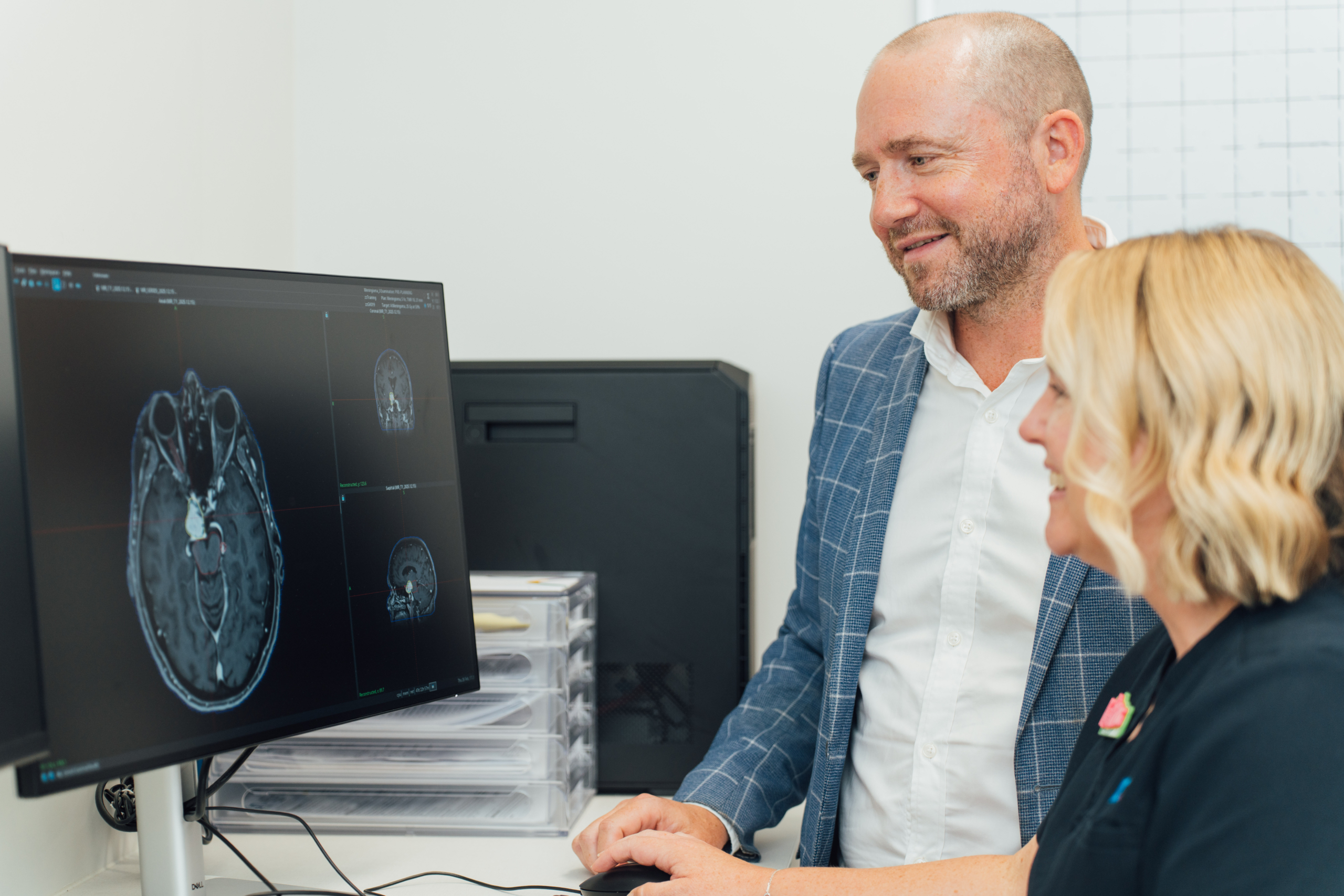
I’ve been privileged to play a key role in establishing Icon’s first Gamma Knife centre at Herston in Brisbane – Queensland’s first privately operated Gamma Knife service – providing patients with greater choice, access and confidence in advanced treatment options.  

Widely regarded as the gold standard for stereotactic radiosurgery for intracranial conditions, the Gamma Knife allows our teams to safely treat complex tumours located near critical brain structures, with sub-millimetre precision, reinforcing our ability to deliver the most advanced, evidence-based care to patients.  

For Icon, this investment reflects our broader commitment to delivering complex care at the highest standard, wherever our patients are. With more than 100 patients treated in the first four months, it highlights a rising clinical need for advanced radiotherapy technology. 

Enabling more equitable therapy access

Despite significant progress, access to advanced radiotherapy is not uniform.  

Specialised technology and expertise remain limited in some settings, and awareness of stereotactic options across referrer networks can vary. As a result, some patients may not be considered for advanced radiotherapy when it could be clinically appropriate. 

Addressing this challenge requires more than installing new technology. It calls for multidisciplinary collaboration, standardisation and ongoing education. Expanding access responsibly means ensuring that capability is matched with experience, training and strong clinical governance.  

Icon’s integrated global ecosystem allows us to close these care gaps and bring more care to more people, but it doesn’t end there.  

Looking to the future

As cancer incidence rises and survival continues to improve, demand for advanced, efficient and modern radiotherapy will only increase. At the same time, healthcare systems face growing pressure to deliver highquality care sustainably. 

Artificial Intelligence and automation are already beginning to reshape the radiotherapy pathway, from imaging and treatment planning to quality assurance and workflow optimisation.  

At Icon, we’re already seeing the efficiency gains and quality outcomes these technologies can deliver to our operations, particularly within the radiotherapy planning space, enabling our clinicians to be more focused on complex decisionmaking, research and direct patient care. 

As radiotherapy continues to evolve, Icon remains committed to leading from the front – combining global expertise, innovation and scale to redefine what’s possible in cancer care. 

View all News

Search

Contact us