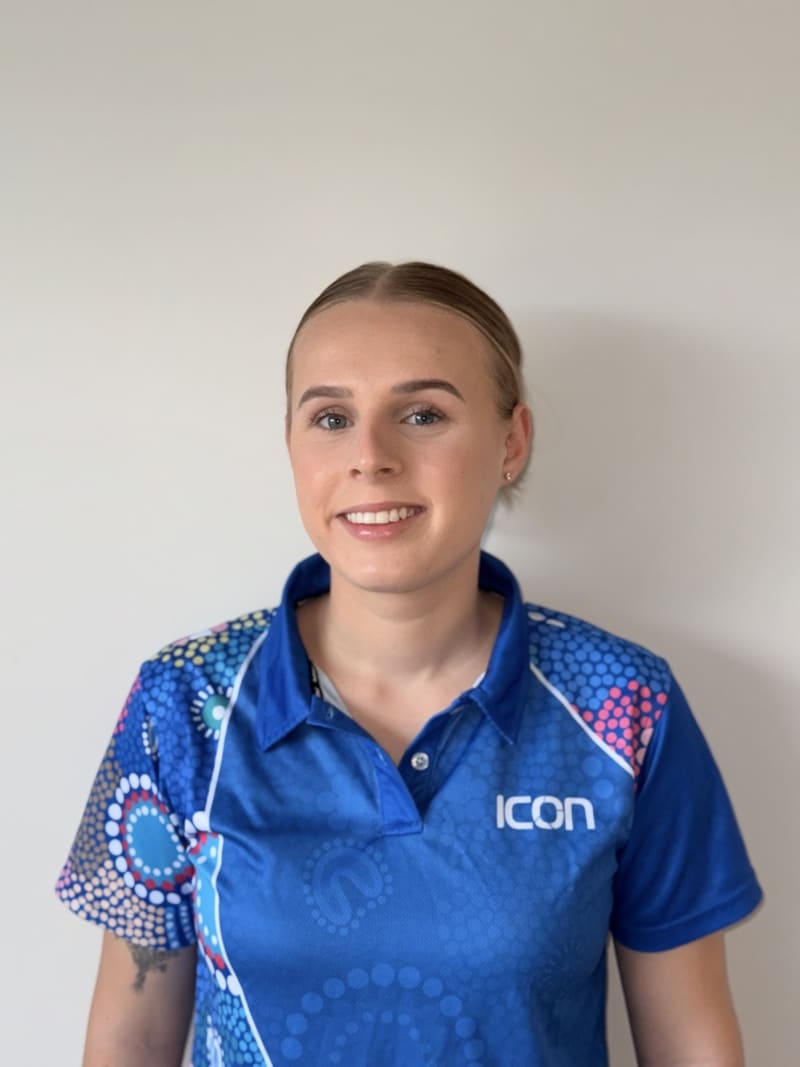
Meet Jorja Wehrman

Connection at the heart of care

CAREERS AT ICON: Explore opportunities with Icon Group Click here to take the next step in your cancer care career

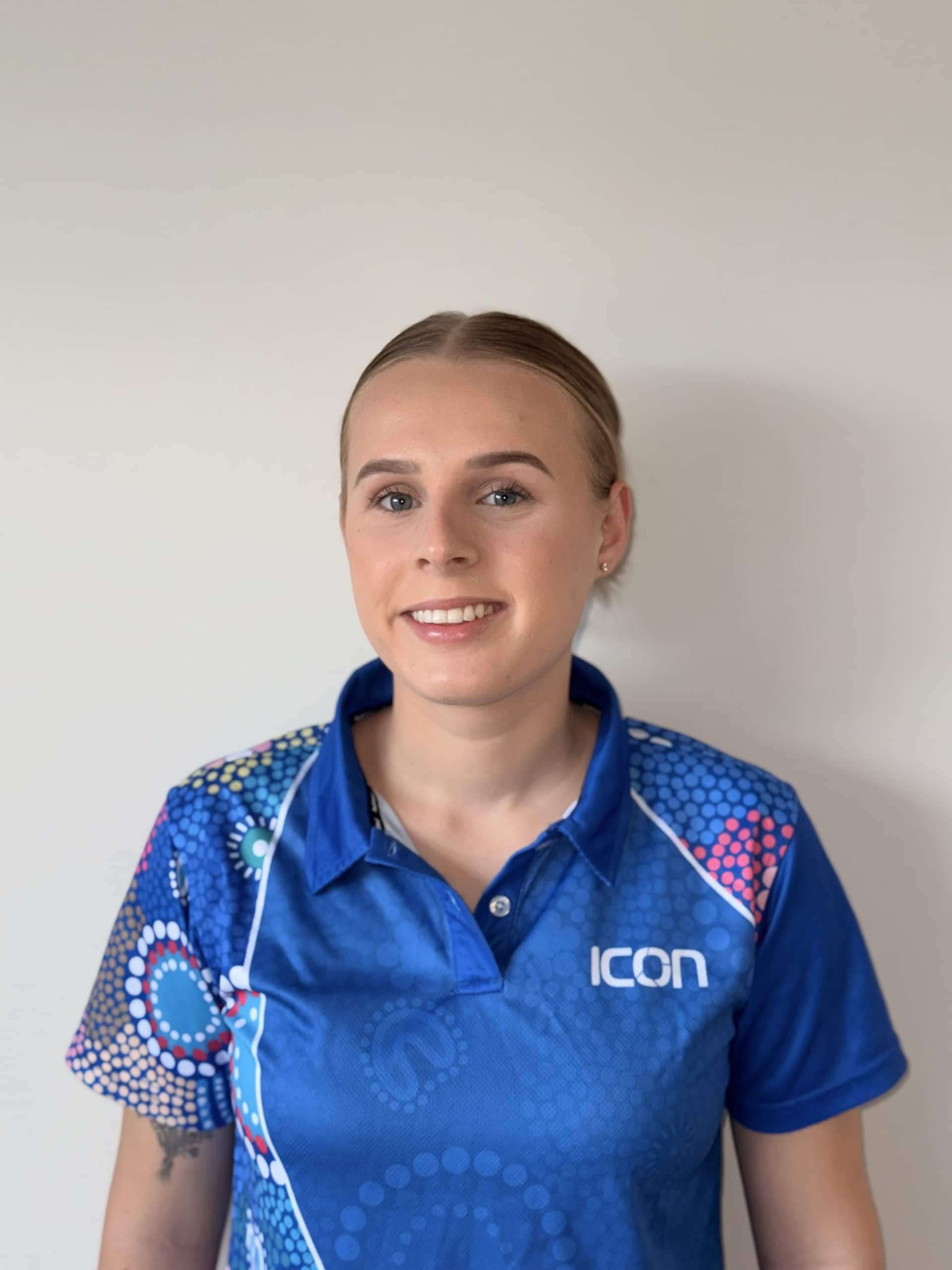
As Icon’s First Nations Nurse Navigator, Jorja Wehrman plays a key role in delivering the best possible care for First Nations patients. 

A proud Gangalidda woman with strong ties to Kalkadoon Country, Jorja’s role brings together clinical care and compassion to make care more accessible, culturally safe, and supportive of better outcomes. 

A career shaped by lived experience

With family ties to small rural town outside Mount Isa and a family background in First Nations healthcare, Jorja saw firsthand the barriers many First Nations people face when accessing care.

These can include being separated from mob, limited health literacy, travel and accommodation challenges, financial pressures, and feelings of fear or shame. 

“Many people choose not to seek or continue care because of these barriers, and that can lead to poorer outcomes,” Jorja said.  “I wanted to help change that.” 

Driven by compassion and a desire to make a difference, Jorja pursued nursing, beginning at Radiation Oncology Mater Hospital Raymond Terrace, where the impact of culturally responsive care became clear and sparked her path into First Nations nurse navigation. 

Breaking down barriers: the Nurse Navigator role

In early 2026, Jorja stepped into the First Nations Nurse Navigator role at Icon, supporting patients across three Queensland sites, Toowoomba, Springfield and Ipswich.  
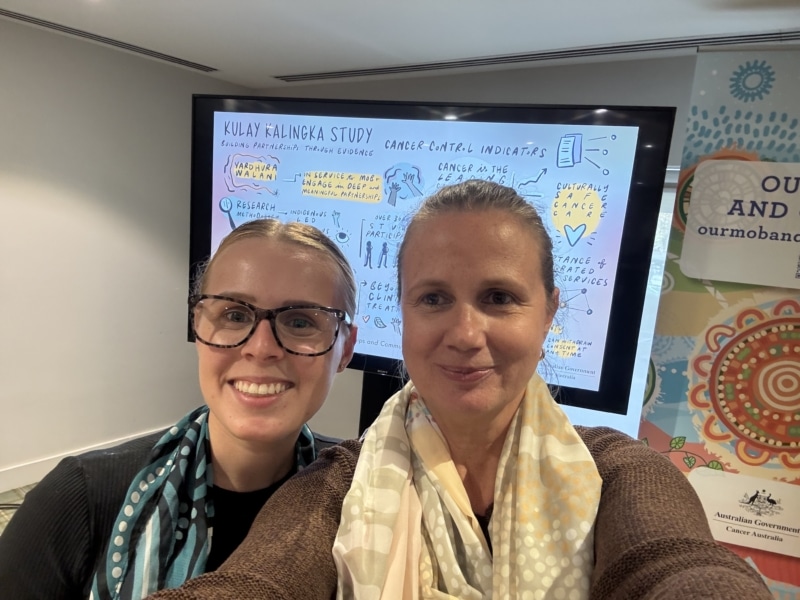
Jorja guides patients from their first appointment and through treatment. She works closely with them to overcome barriers while also contributing to broader enhancements in culturally safe care, including developing patient resources and delivering team education sessions. 

“My role is about making care more accessible and ensuring patients feel supported and understood,” Jorja shared. 

“That support is always tailored to each person’s circumstances. 

“This might mean sitting down after consults to explain what to expect, helping with posttreatment supplies so finances are not another burden, or connecting patients with outreach services like our partner, Carbal Medical Services. 

“Anything they need, I am there to help. I do not want anything standing in the way of them receiving care.” 

*First Nations Nurse Navigator and Supporting Collateral was funded by the Australian Government through Cancer Australia’s Partnerships for culturally safe cancer care grant program. 

Connection and culture at the heart of care

For Jorja, connection and culture are central to delivering the best possible care. 

“I take the time to really connect with patients, so they feel comfortable and safe, not just like patients, but like family, and able to share anything,” Jorja said. 

“I will have a yarn with them, speak as we would on Country, and where possible, help integrate cultural practices and beliefs, such as the use of herbal medicine. I also support patients to have their mob involved throughout treatment and find ways to make this happen. 

Closing the care gap

Jorja is passionate about helping close the gap in cancer care for First Nations patients. 

“First Nationsled care and nurse navigator roles have already been shown to be successful in closing the gap in community health, and I am excited to see the impact they can make in cancer care,” Jorja said. 

“In my own experience, I have seen patients who did not want to come in for treatment because of fear or shame. With support and guidance, I have been able to help people get the treatment they need. 

“Over time, this leads to better health outcomes and more equitable care, and I look forward to continuing to expand our Nurse Navigator network in the future.” 

For Jorja, the work is also deeply personal. “I work hard every day to help shape a culturally safer, stronger future for my son and for our community.” 

The impact of our nurses

Jorja’s story is a powerful reminder of the difference nurses make every day. 

“We are not just a nurse to a patient. We are their support and their family. We are there to connect with them, make them feel comfortable, and advocate for their needs.” 

Search

Contact us